Endoscopy Procedure Center in Columbus, GA
Southeastern Endoscopy Center provides patients with the thorough, trusted endoscopy procedure they require to understand their gastrointestinal disorder, better treat symptoms or underlying causes, or screen for potential issues. Through our center, patients can expect dedicated, compassionate care in an effective and efficient manner.
Our state-of-the-art endoscopy center is located directly beside our main office, Southeastern Gastroenterology, making it easier, more comfortable, and more convenient to receive necessary endoscopic procedures for the diagnosis, treatment, and management of certain GI conditions.
Southeastern Endoscopy Center is fully equipped with the latest technology and newest equipment available, making it a trusted solution for your gastroenterology care.
settingsColonoscopy
A colonoscopy is a crucial procedure to ensure you are not unknowingly developing colon polyps or colon cancer.
Colon cancer almost always starts as a noncancerous polyp that, if left untreated, can transform into a precancerous or cancerous tumor and wreak havoc on the body.
According to the American Cancer Society, if a cancerous polyp is detected early before the cancer can spread, the patient has a 5-year survival rate of 90%, or a chance of living at least 5 years or more following treatment. However, if cancer is detected after it has spread, the patient’s 5-year survival rate drops significantly.
Colon cancer is a universal issue, meaning it affects men and women of all races and ethnicities equally, and it’s easy to detect and treat early through routine colonoscopies at Southeastern Endoscopy Center.
A colonoscopy from Southeastern Endoscopy Center is a crucial procedure that allows your GI doctor to evaluate the health of your colon and check for colon polyps, colon cancer, and other changes or abnormalities.
Men and women 45 years or older, as well as younger patients at risk of colon cancer, should undergo routine colonoscopies every 10 years, or more frequently if directed by their doctors.
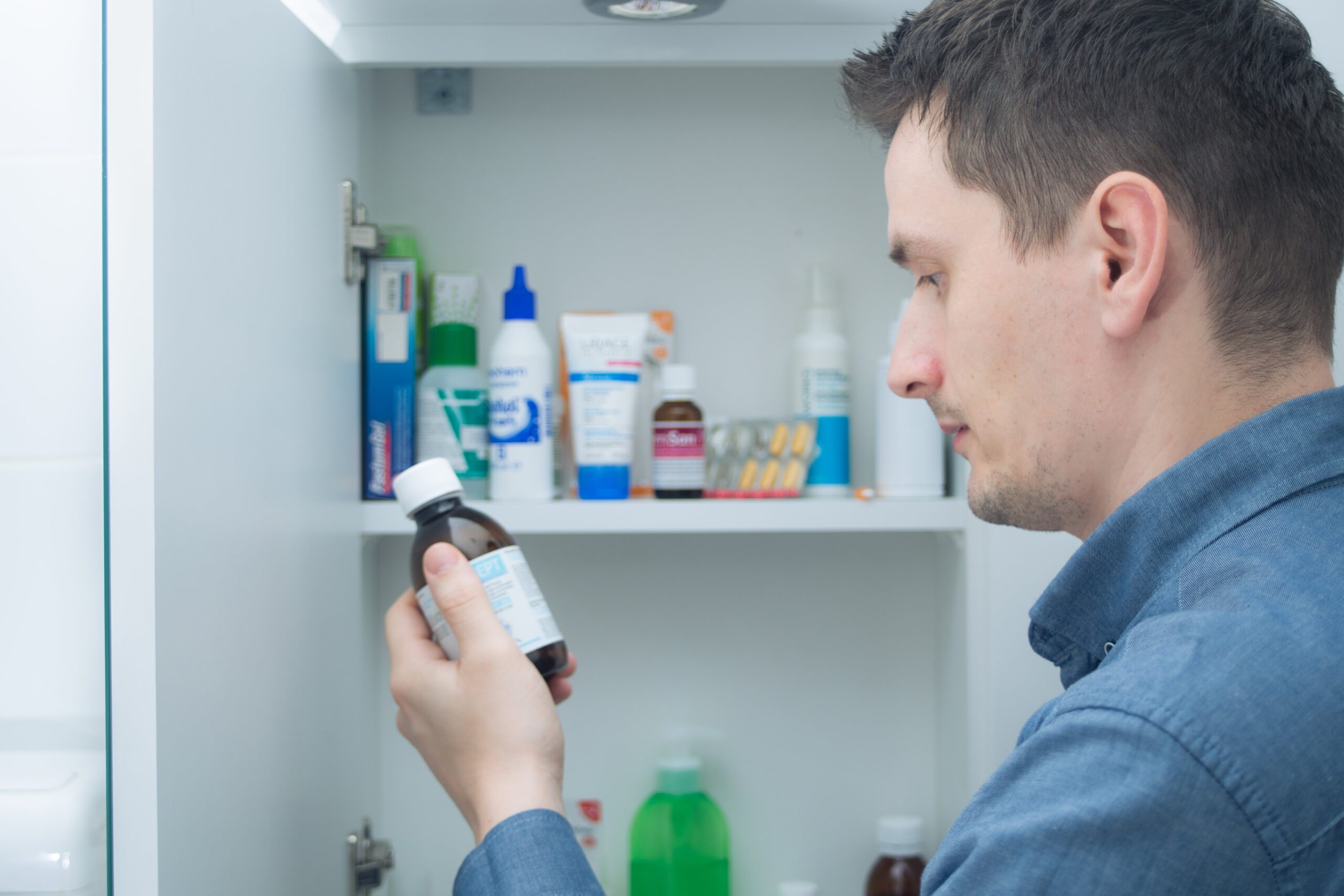
How to Prepare for a Colonoscopy
A colonoscopy is not a difficult or complex procedure, but it does require some preparation first.
Your GI doctor will give you specific instructions to prepare your bowels for the procedure. On the day before your procedure, you will start a clear liquid diet (water, broth, clear sodas, white grape juice, tea, coffee without cream or milk, etc.) and avoid solid foods of any kind. You will also be prescribed a laxative to be taken at certain times while on a liquid diet to clear out your bowels completely.
It’s vital to follow all instructions carefully.
Access Prep InstructionsColonoscopy Procedure
During your procedure, you will receive some amount of sedation for a more comfortable experience.
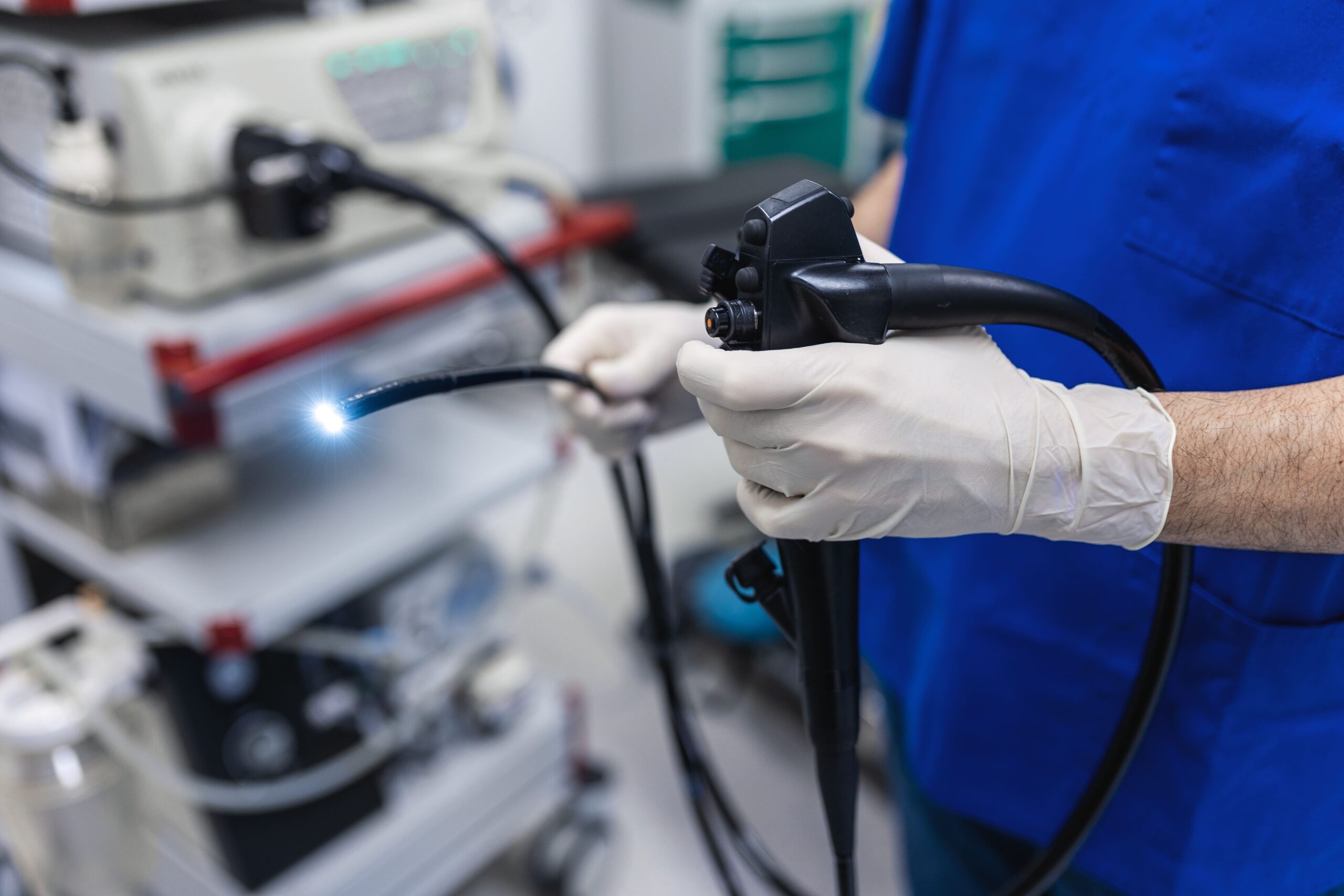
You will lie on your side of the examination table, and your doctor will insert a colonoscope into the rectum. Air or carbon dioxide may be pumped into the rectum to inflate it for a better look at your colon’s wall and structures.
Your doctor will look for signs of trouble, including polyps, cancer, or other structural issues. If there are polyps, your doctor will take a biopsy or remove the polyps completely.
Once completed, the colonoscope is removed, and the procedure is over.
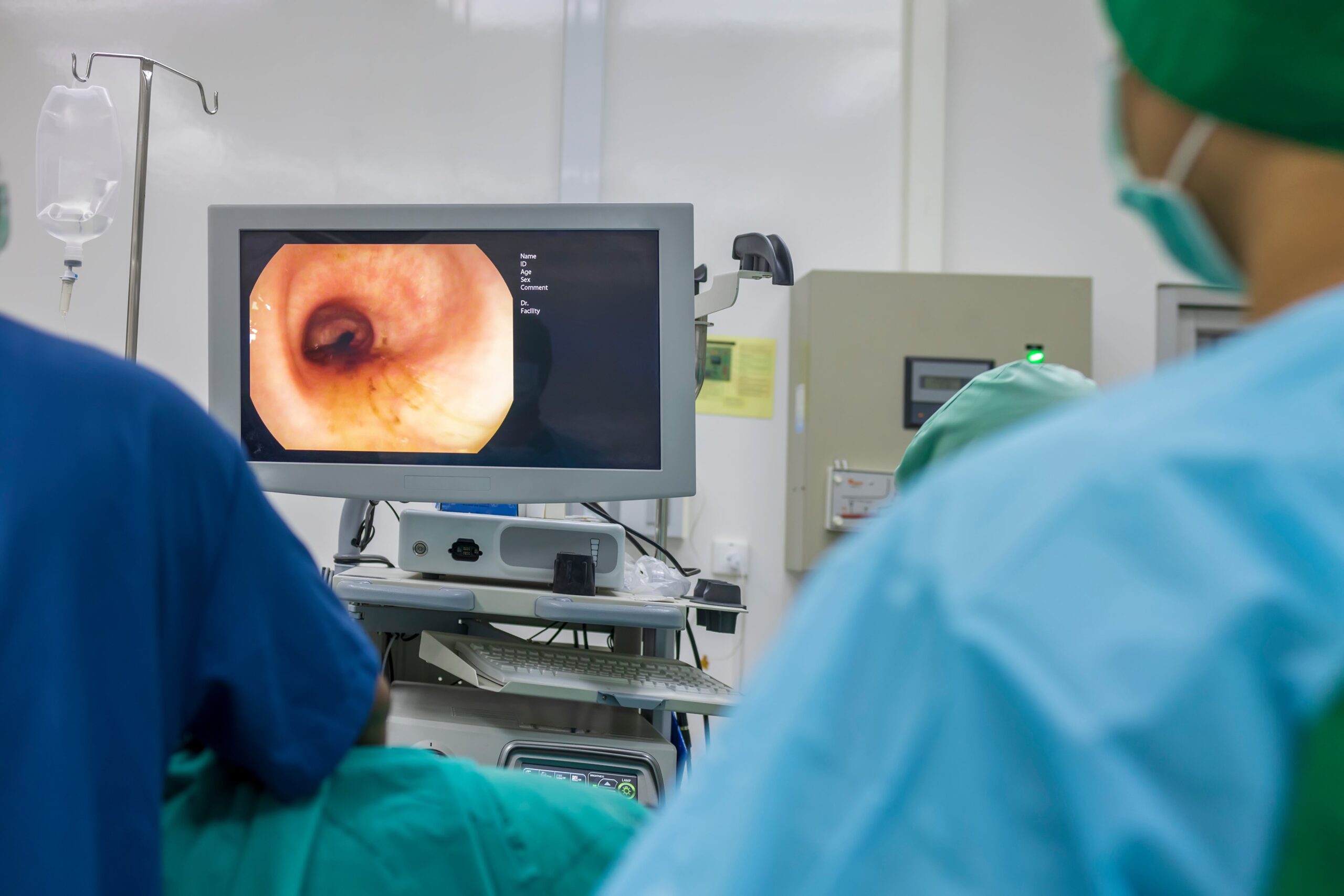
What Happens After a Colonoscopy?
After your colonoscopy, you will be sent to a comfortable recovery room for observation until you are released.
Every colonoscopy patient will require a driver after being released from Southeastern Endoscopy Center.
Upper Endoscopy (EGD)
Patients suffering from various esophageal conditions or complications may need an esophagogastroduodenoscopy so their GI doctor can inspect the condition of the upper GI tract.
An EGD, better known as an upper endoscopy, is a common diagnostic procedure that allows your GI doctor to evaluate the state of the esophagus, stomach, and duodenum, or the upper part of the small intestine. Through this procedure, your doctor will be able to observe signs of GERD or chronic acid reflux, Barrett’s esophagus, celiac disease, Crohn’s disease, esophagitis, gastritis, hiatal hernia, stomach ulcers, tumor development, and more.
Doctors may require an EGD to evaluate symptoms like:
- Abdominal pain with no known source
- Swallowing difficulties
- Chronic heartburn or indigestion
- Nausea
- Vomiting
- Unexplained weight loss
- Gastrointestinal bleeding/bloody stools
Upper Endoscopy Procedure
An EGD requires an amount of sedation to ensure a comfortable experience.
Your doctor will insert a thin, flexible tube with a camera and a light attached into your mouth and down through your esophagus. They will observe the lining of the esophagus, stomach, and duodenum, checking for abnormalities or signs of damage.
Based on what they observe through the upper endoscopy, your GI doctor can better determine the causes or conditions of your esophageal problems or symptoms.
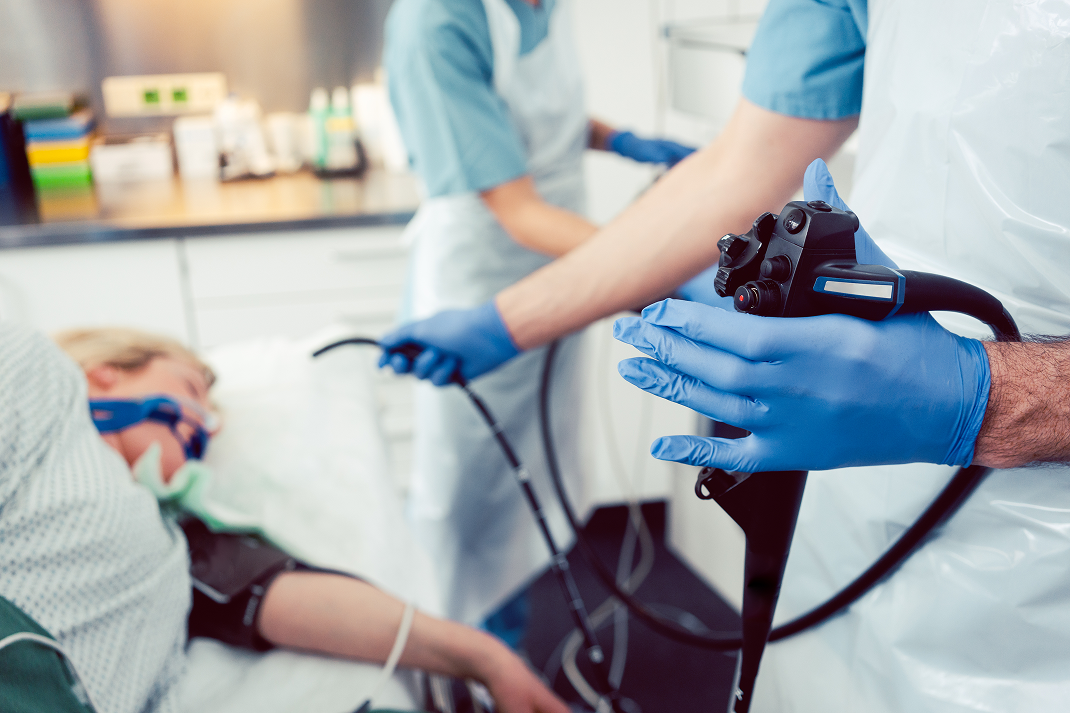
What Happens After an EGD?
Because patients receive sedation for a more comfortable experience, they will be monitored in a comfortable recovery room for some time following the procedure and prior to being released.
All upper endoscopy patients will require a driver after being released from Southeastern Endoscopy Center.
Esophageal Dilation
Patients who have experienced narrowing in their esophagus may require an esophageal dilation to widen the esophagus and allow for better swallowing again.
Esophageal narrowing, or esophageal stricture, is most often a result of:
- Gastroesophageal reflux disease (GERD), a condition that causes stomach acid to flow back into the esophagus frequently, leading to chronic heartburn and indigestion.
- Eosinophilic esophagitis (EoE), an allergy-related condition in which white blood cells group together in the esophagus and cause chronic inflammation.
- Injury, which can be caused by prolonged use of nasogastric tubes, damage from an endoscopic procedure, swallowing caustic substances like cleaning chemicals or other corrosive substances, and other such incidents.
Whether caused by chronic acid reflux or GERD, EoE, injury, or even esophageal scarring from radiation therapy or a severe infection, a narrowed esophagus requires widening for better eating, drinking, and overall well-being.
Esophageal Dilation Procedure
An esophageal dilation is a minimally invasive procedure that does require sedation for a more comfortable experience.
Your doctor will insert an endoscope into the mouth and down to the narrowed part of the esophagus.
Using either a balloon catheter or dilator, your doctor will inflate the narrowed section with the balloon or pass the dilator through the narrowed section to gently re-widen the esophageal wall.
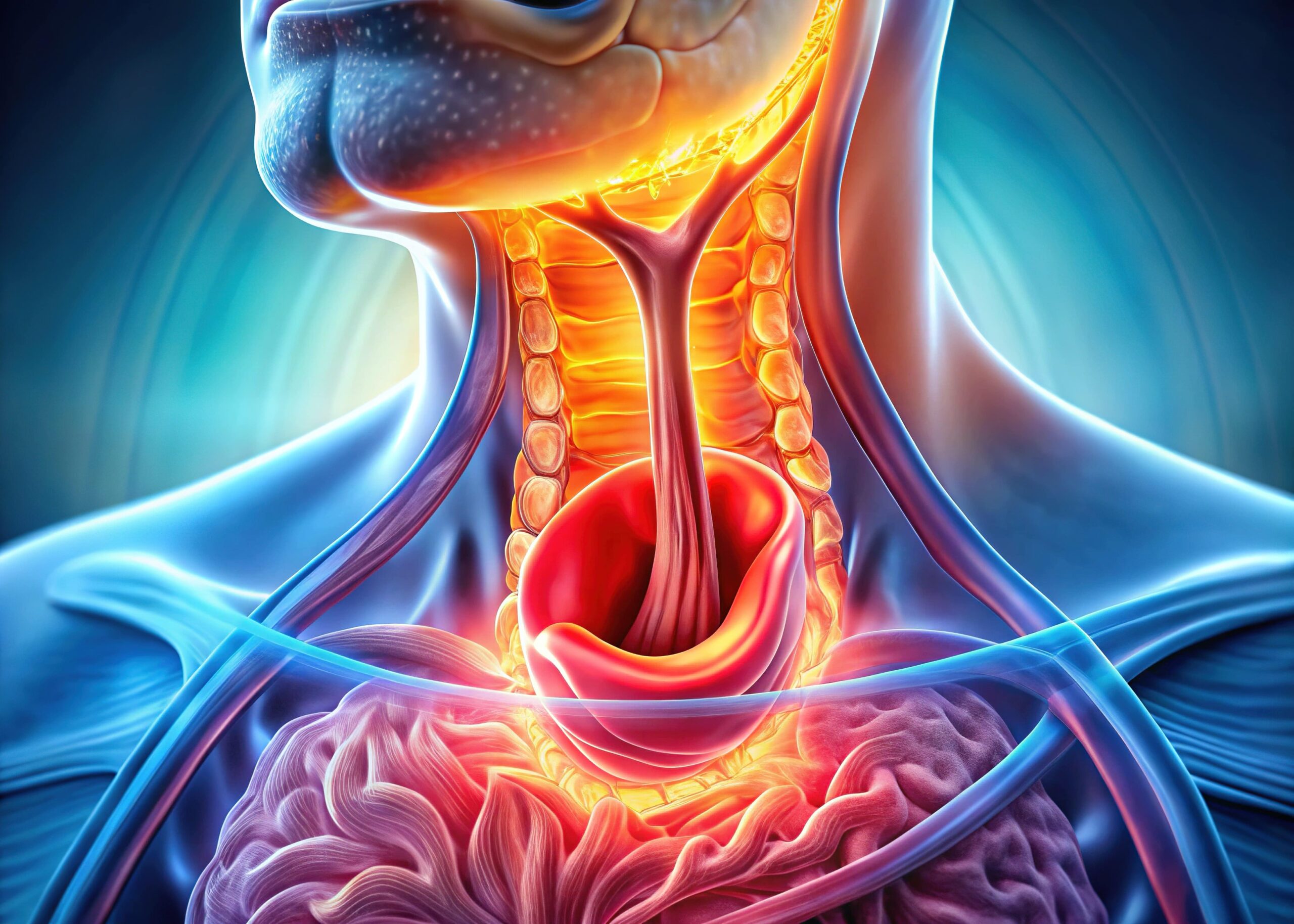
What Happens After an Esophageal Dilation?
Following dilation, you will be monitored for some time in a comfortable recovery room after the procedure and before being released.
All esophageal dilation patients will require a driver after being released from the Endoscopy Center.
Flexible Sigmoidoscopy
Patients with issues related to the rectum or colon may require a flexible sigmoidoscopy to inspect part of the colon and check for abnormalities. A flexible sigmoidoscopy is not as involved as a colonoscopy; it only observes the lower part of the colon, known as the sigmoid, whereas a colonoscopy examines the entire colon.
Gastroenterologists often require a sigmoidoscopy as a diagnostic or treatment procedure so long as a full colonoscopy is deemed unnecessary. In other cases, doctors may order a sigmoidoscopy for patients who have medical limitations preventing them from undergoing a full colonoscopy.
The benefits of a sigmoidoscopy include:
- Less sedation needed
- Minimally invasive
- Speedier procedure
- Shorter preparation times

How to Prepare for a Flexible Sigmoidoscopy
A flexible sigmoidoscopy is not a difficult or complex procedure, but it does require some preparation first.
Your GI doctor will give you specific instructions to clear your bowels before the procedure. This typically involves some fasting and taking prescribed enemas or laxatives according to your doctor’s instructions.
Flexible Sigmoidoscopy Procedure
At your procedure, you will lie on your side on the exam table with your knees pulled up to your chest.
Your doctor will insert the sigmoidoscope into your rectum and gently guide it to the lower colon (the sigmoid colon). Your doctor will examine the structures of your colon and look for any abnormalities.
During a sigmoidoscopy, your doctor may take a biopsy or remove a polyp if necessary. Once complete, the sigmoidoscope is removed, and the procedure is over.
What Happens After a Sigmoidoscopy?
If sedation is used, you will be required to recover in the endoscopy center for some time before being released, and you will need a driver before being discharged.
If sedation is not used, you can drive home shortly after the procedure has ended.